
The Florida Garden Freeze Guide: How to Prepare, Protect, and Restore Your Landscape and Garden
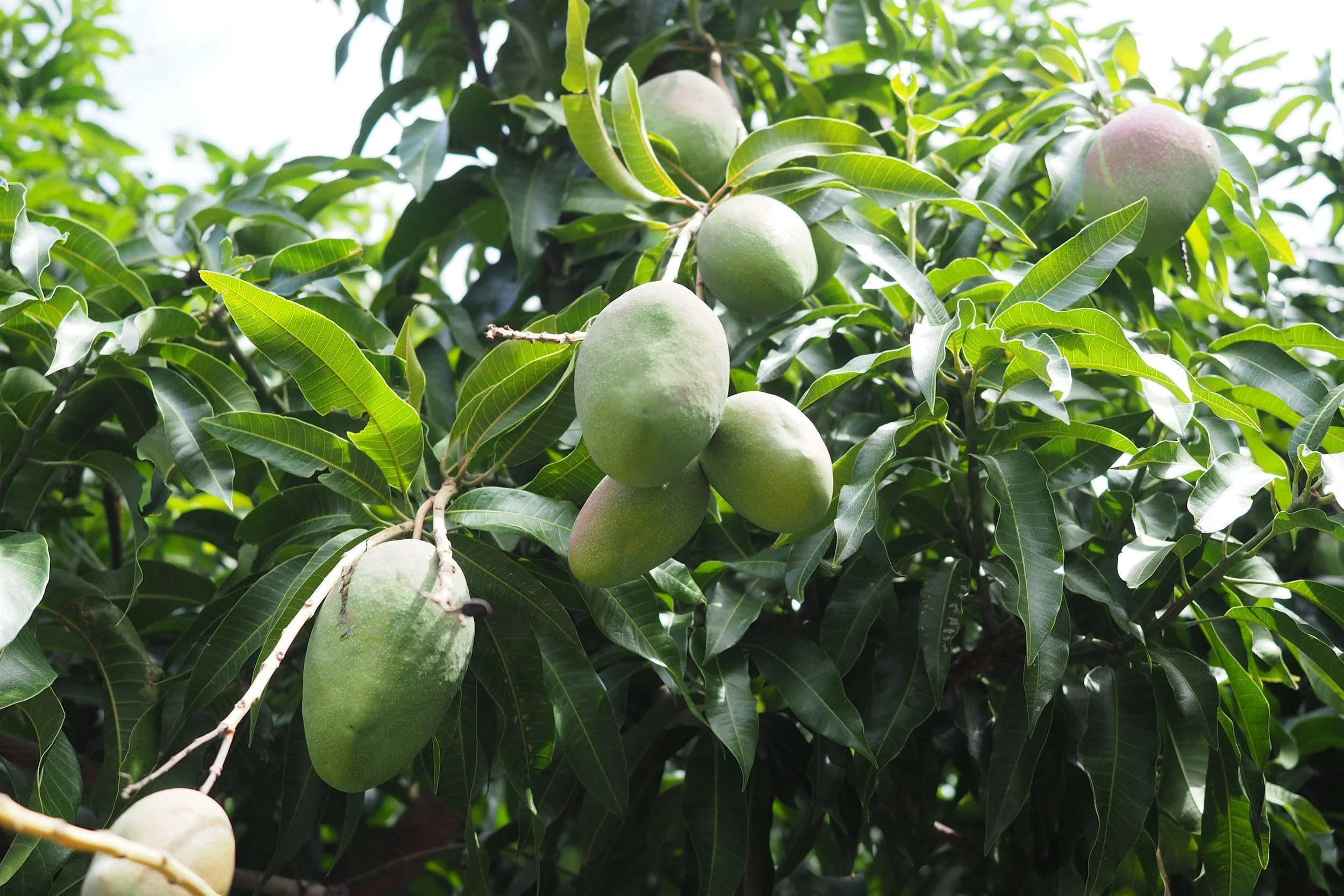
Historic freeze threatens Florida crops and gardens
What the February 2026 Historic Freeze Taught Treasure Coast, Florida Gardeners — and How to Protect (and Restore) Your Landscape Before the Next Cold Snap
This past February 2026, the Treasure Coast, and all of Florida, experienced one of the most significant cold events we’ve seen in years. In Vero Beach, Sebastian, and throughout the greater Treasure Coast region, overnight temperatures dropped low enough to shock tropical foliage, damage citrus trees, and leave many Florida homeowners wondering whether their landscaping would recover.
For those of us who garden along Florida’s east coast, this freeze was a reminder: our climate is generous — but it is not predictable. Resilient landscapes are built with both heat and cold in mind.
Whether you’re planting in Vero Beach, maintaining a winter garden in Sebastian, or designing a coastal landscape on the barrier island, here’s how to prepare before the next freeze — and what to do after one passes through.
Start With Smart Plant Selection
The most effective freeze protection begins long before temperatures drop.
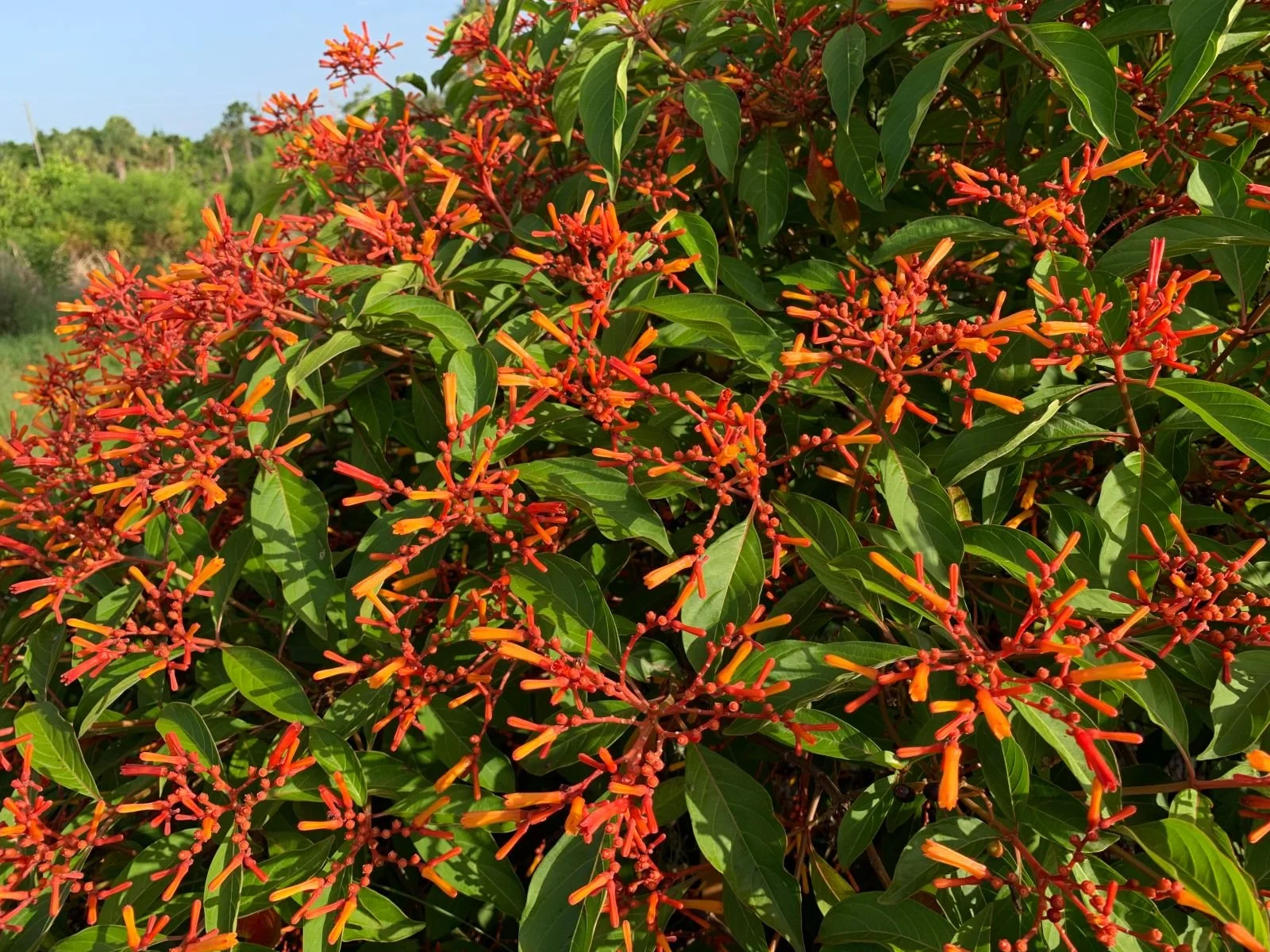
Firebush
Treasure Coast gardens face:
Sandy, fast-draining soil
Salt exposure near the coast
Intense summer heat
Occasional winter cold snaps
Choosing plants that tolerate all four reduces long-term risk.
Coontie (Zamia integrifolia)
Reliable, freeze-resilient landscape plants for the Treasure Coast Florida area include:
Coontie (Zamia integrifolia) — native, drought tolerant, and cold hardy
Muhly Grass — handles coastal conditions and light freezes beautifully
Dwarf Palmetto — more cold tolerant than many ornamental palms
Firebush — may die back after frost but reliably returns in spring
Sea Grape — excellent for barrier island properties and salt exposure
Dwarf Palmetto
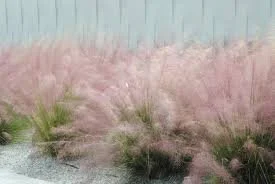
Muhly Grass
Winter vegetables that perform well in Vero Beach and Sebastian include:
Kale
Collards
Broccoli
Rosemary
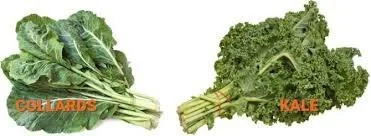
Collards and Kale
These crops thrive in Florida’s winter growing season and tolerate mild frost better than tomatoes or peppers.
How to Prepare Your Landscape Before a Florida Freeze
When temperatures are forecasted near or below 32°F in Florida, preparation matters.
1. Understand Your Microclimate
Barrier island homes often stay slightly warmer due to ocean influence.
Inland Sebastian and western Vero properties cool faster.
Low-lying areas collect cold air first.
Your specific lot can experience dramatically different temperatures than nearby neighborhoods.
2. Water the Day Before
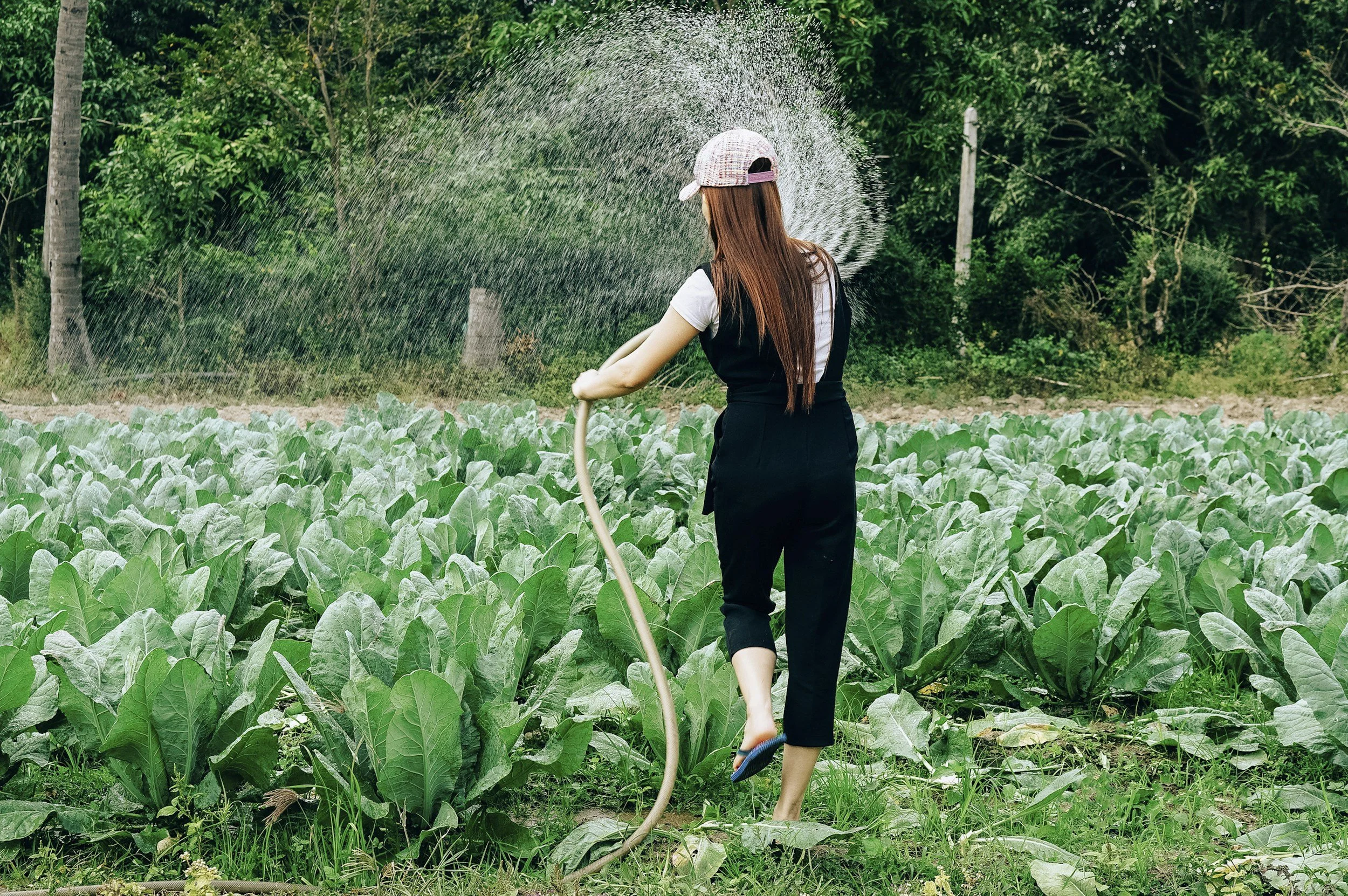
Moist soil retains heat better than dry soil. Water thoroughly in the afternoon before a freeze — not late at night.
3. Cover Strategically
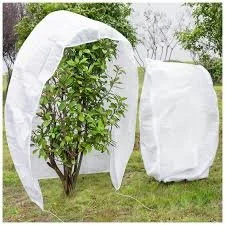
Use frost cloth, lightweight blankets, or old sheets.
Secure covers to the ground to trap radiant heat from the soil.
Avoid placing plastic directly on foliage.
For citrus trees, fully drape and anchor coverings to protect fruit and tender branches.
4. Add Mulch for Root Protection
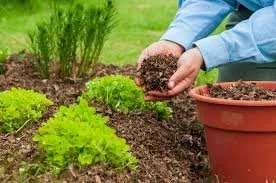
Apply 2–4 inches of mulch around citrus trees, tropical ornamentals, and newly planted shrubs or palms. Roots often determine whether a plant survives a freeze.
5. Move Potted Plants Indoors
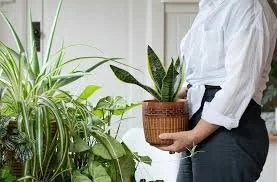
Bring container plants into garages, covered lanais, or sheltered courtyards. Grouping containers together near a south-facing wall can also help retain warmth.
What To Do During the Freeze
Leave covers in place overnight.
Remove them mid-morning once temperatures rise above freezing.
Avoid watering or fertilizing during the event.
Minimal intervention is best.
How to Restore Your Landscape After a Freeze
The February 2026 freeze taught many Treasure Coast gardeners one key lesson: patience is critical.
1. Do Not Prune Immediately
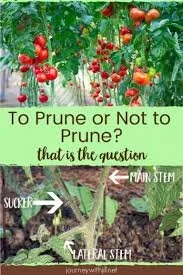
Damaged foliage protects inner tissue from additional cold exposure. Wait one to two weeks before cutting back.
2. Perform the Scratch Test
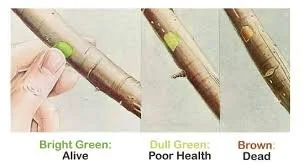
Lightly scratch bark on affected trees.
Green beneath the surface means living tissue.
Brown and dry indicates damage.
Only prune once new growth begins to appear.
3. Hold Off on Fertilizer
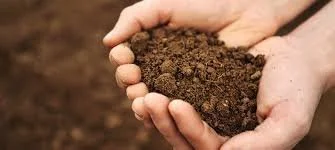
Applying fertilizer too soon can stress already weakened plants. Wait until consistent warm weather returns and active growth resumes.
4. Expect Dieback — But Also Recovery
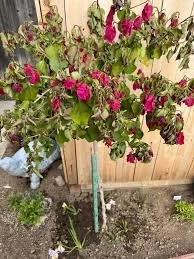
Hibiscus, bougainvillea, crotons, and other tropical plants common in Vero Beach landscapes may lose leaves, appear brown or lifeless, or die back to the base.
But many resprout from the root system once spring temperatures stabilize.
Designing a More Resilient Treasure Coast Garden
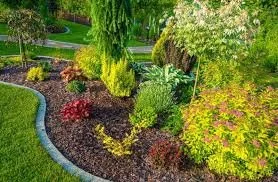
If the February 2026 historic freeze reshaped your landscaping, consider rebuilding with long-term resilience in mind:
Blend Florida natives with tropical accents.
Create layered plantings that block wind.
Use walls and courtyards to create protected microclimates.
Diversify plant selections so one freeze doesn’t eliminate everything.
A well-designed Treasure Coast landscape balances beauty with durability.
In Vero Beach and Sebastian, we’re fortunate to garden nearly year-round. Our landscapes reflect the warmth, openness, and lifestyle of the coast.
But February reminded us that even here, nature sets the rhythm.
Our gardens may brown. They may pause.
And then, quietly, they return.
And when they do, they’re often stronger — and more thoughtfully designed — than before.

About the Author
Corinne King, Realtor®
Serving Florida’s Treasure Coast | Coldwell Banker Paradise
With over a decade of experience in real estate—including luxury coastal homes, investment properties, and island living—Corinne blends her marketing background with a passion for helping families and investors find their place in Florida. A Sebastian local and proud mom, she believes the best part of life starts at home.
📱 772-559-2456
📧 Corinne.King@CBParadise.com
🌐 FlCoastCollective.com
